
The nectar
The nectar
Understand coconut flower nectar, its collection and processing, and its place in sweeteners, seasonings and everyday cooking.
By CÓCOES · Published · Updated
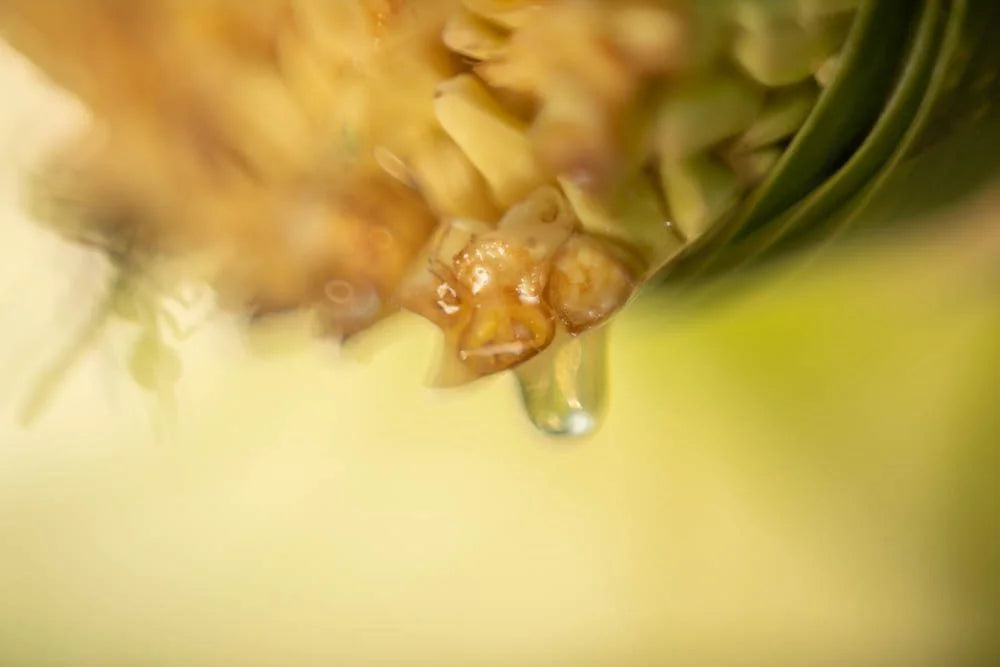
Sweet beginnings: The flower
Our nectar story starts with the coconut flower. By tapping its flower cluster, collectors gather a sweet liquid known as coconut flower nectar. At CÓCOES, we call this ingredient coconut flower nectar—and it is the starting point for our sweeteners and condiments.
The coconut palm’s scientific name is Cocos nucifera, and its flower cluster is known as an inflorescence.
The collection and processing terms here follow TESDA’s coconut sugar standards. Explore the CÓCOES collection for products made with this ingredient.
Is coconut flower nectar the same as coconut water or coconut milk?
They come from the same palm, but from different parts of it. Coconut flower nectar comes from the flower’s nectar. Coconut water is the liquid inside the coconut fruit, while coconut milk is made by processing its flesh, also called the kernel, into an emulsion.
Each is a different ingredient, so a recipe calling for coconut water or coconut milk is not calling for coconut flower nectar.
The Codex definitions distinguish coconut water from coconut milk. Neither is the nectar collected from the flower. Continue to the farm to see where the nectar starts.
How is coconut flower nectar collected
It begins with tapping the flower cluster so the nectar can flow into a collection container. TESDA’s processing standards describe careful tapping, using a sanitised container and straining the gathered nectar before processing.
These are general collection principles; the equipment and methods can vary between producers.
TESDA’s collection standards describe these general steps. Follow the farm story for CÓCOES’ connection to the flower.
What are neera and Kalparasa?
As you explore coconut flower nectar, you may come across other names for it. Indian coconut-processing literature uses “neera” for coconut nectar. ICAR-CPCRI uses “Kalparasa” for fresh nectar collected using its chilled collection system.
These names can help you find more research about the ingredient. They do not mean that we use the same equipment or make the same product at Lionheart Farms.
These research names describe related ingredients. Explore the farm for the source of CÓCOES’ coconut flower nectar.
Why does care matter when handling coconut flower nectar?
The journey does not end when the nectar is collected. Fresh coconut flower nectar can begin to ferment, changing its sweetness and acidity. How it is collected, transported and processed helps shape the ingredient it becomes.
A 2021 study of Kalparasa found that changes in acidity and sugar content happened faster at ambient temperature than under refrigeration. Research like this helps explain why careful handling matters, but it does not establish how long a finished CÓCOES product will keep.
For storage guidance, follow the instructions on your bottle.
The cited nectar fermentation study concerns fresh nectar. For a finished product, use its own label and product information.
One ingredient, different pantry staples
From a little sweetness to savoury depth and a tangy finish, coconut flower nectar can take different paths on its way to your kitchen. Concentration, fermentation and each product’s recipe help turn this starting ingredient into different pantry staples. The examples below explain some of those paths. The exact process depends on the product and its specifications.
Sweet: Coconut flower syrup. Coconut flower syrup is a liquid sweetener. ICAR-CPCRI describes how heating coconut flower nectar removes water and concentrates it into syrup. Further concentration and stirring can turn the nectar into granulated coconut sugar. These are general processing examples, rather than a description of how every producer makes its syrup or sugar. See the CÓCOES collection for finished products.
Savoury: Coconut aminos and teriyaki. Our CÓCOES coconut aminos brings savoury flavour to dips and marinades, while our teriyaki can be used as a cooking sauce or glaze. Each condiment has its own recipe. Although they share a coconut flower ingredient, they are different finished products—not direct substitutes for fresh nectar or coconut flower syrup. Compare the finished seasonings before choosing one for a recipe.
Tangy: Coconut flower vinegar. Coconut flower vinegar takes a different path through fermentation. ICAR-CPCRI describes producing vinegar from coconut flower nectar, also known as coconut inflorescence nectar. Its research also explores making vinegar from coconut water—a different starting ingredient. That is why the name “coconut vinegar” alone does not tell you whether it began with flower nectar or coconut water. Explore CÓCOES Coconut Flower Vinegar for details about the finished product.
Is coconut sugar the same as coconut flower syrup?
They can begin with the same coconut flower nectar, but they reach your kitchen in different forms. Coconut flower syrup stays liquid, while coconut sugar is granulated. ICAR-CPCRI describes the additional concentration and stirring used to produce those granules.
That difference matters when cooking or baking: a recipe written for dry sugar does not automatically account for the liquid in syrup, so swapping one for the other may require adjustments.
Compare the CÓCOES syrups using their regional product information.

From our farm to your kitchen
Our story begins at Lionheart Farms in Palawan, Philippines. Here, we grow coconut palms, collect their flower nectar and process it into nectar-based products. CÓCOES is one of our brands, bringing this coconut flower ingredient from our farm into your everyday cooking.
Explore our farm story for more about this connection.
Our CÓCOES range includes coconut flower syrups, coconut aminos, teriyaki and coconut flower vinegar. They share a connection to the coconut flower, but each brings something different to your kitchen—from sweetness to savoury flavour and a tangy finish.
Find something for your next meal in the CÓCOES collection.
How do I find the right information for my bottle?
Each CÓCOES product has its own ingredients, serving size, nutritional information and storage instructions. For details about the bottle in your kitchen, check its label and the product information available in your region.
Research on fresh coconut nectar or coconut sugar can help explain the wider ingredient story, but it cannot tell you the nutritional values of a finished syrup, vinegar or seasoning. Our products share an origin—not a single nutritional profile.
Bring it into the kitchen
What are you making today? Whether you want a little sweetness, savoury depth or a tangy finish, there’s a CÓCOES ingredient to explore. Our syrups bring sweetness to your recipes, our coconut aminos and teriyaki add flavour to dips, marinades and glazes, and our coconut flower vinegar brings acidity to dressings and sauces.
For cooking ideas, explore the CÓCOES collection and the products available in your region.
Find your flavour
For something sweet, explore Light Syrup and Dark Syrup.
For savoury dishes, discover Coconut Aminos and Teriyaki Sauce.
For a tangy touch, try Coconut Flower Vinegar.
Can coconut flower syrup replace another sweetener?
Start by checking whether your recipe calls for a liquid sweetener or dry sugar. Coconut flower syrup and granulated sugar contain different amounts of water, so swapping one for the other may require adjustments.
ICAR-CPCRI describes how concentrating coconut flower nectar to different stages produces syrup and sugar. Because these are different finished ingredients, one replacement ratio will not work for every recipe.
Use the label and regional product information when deciding how to use a finished syrup.
How should I store my bottle?
Check your bottle’s label for storage instructions, including any guidance for after opening. Follow the directions for the specific product and packaging you have.
Research on storing fresh coconut nectar helps explain the ingredient, but those conditions are not storage instructions for a finished, packaged syrup, vinegar or seasoning.
How can I compare coconut flower products?
Start with what you want to make, then compare each product’s ingredients and suggested cooking uses. When checking nutritional information, compare the same serving quantity so you are looking at like-for-like amounts.
Before buying, check the product information for your region. Availability and packaging can differ between stores.
Explore the CÓCOES collection. Explore Palawan and the farm story.
References · external sources